
Bengal Cat Cost in 2026: The Real Price of a Bengal Kitten
A pet-quality Bengal kitten from a reputable US breeder usually costs $1,500 to $3,000. Show-quality kittens run $3,000 to $5,000 or more, rare colors add a premium, and early-generation F1 Bengals can pass $10,000. This guide breaks down every part of the Bengal cat cost, from the kitten itself to the first-year budget, so you can buy with confidence.
- Lifespan
- 12–16 years
- Adult weight
- 8–15 lb
- Rescue fees
- $75–$400

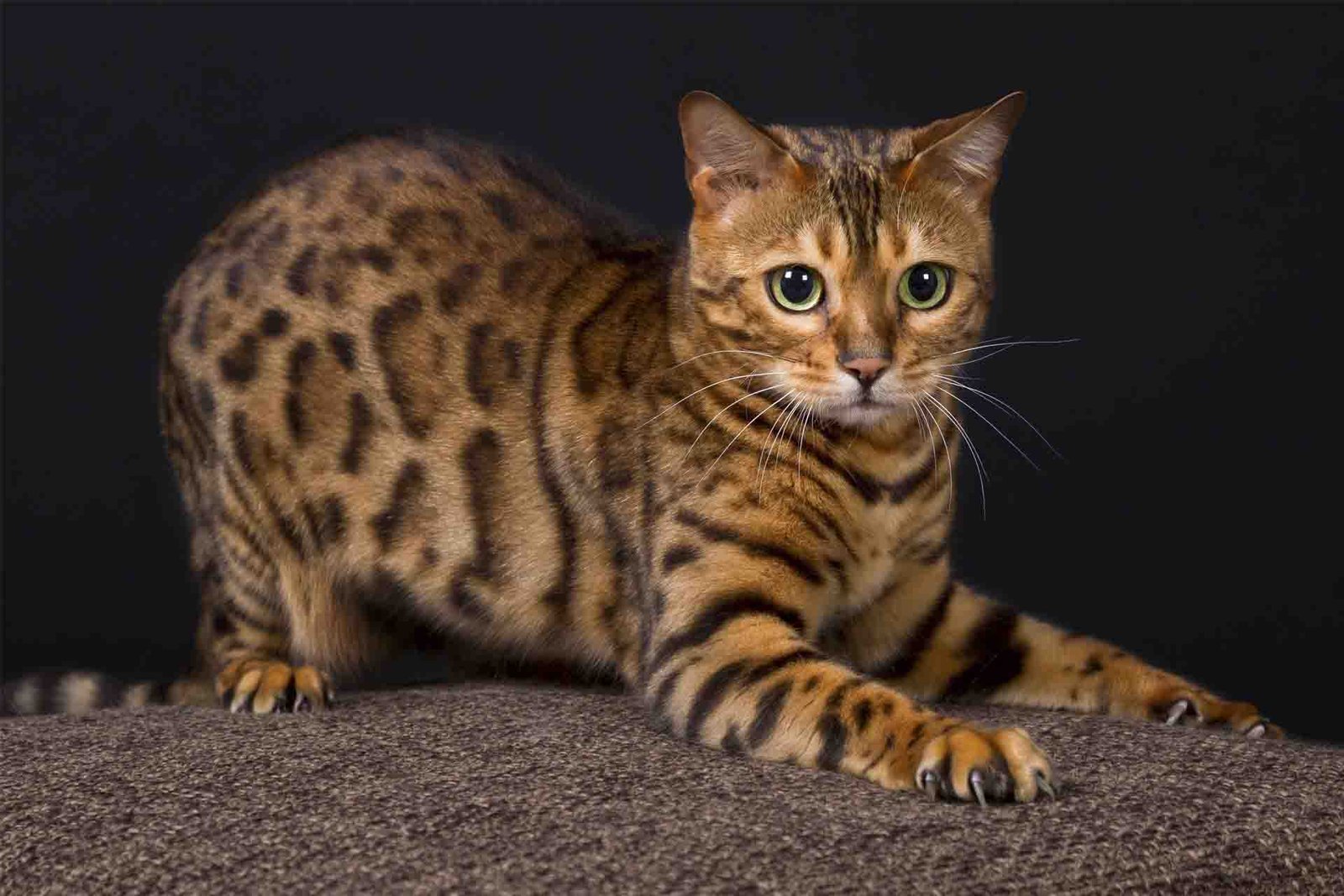
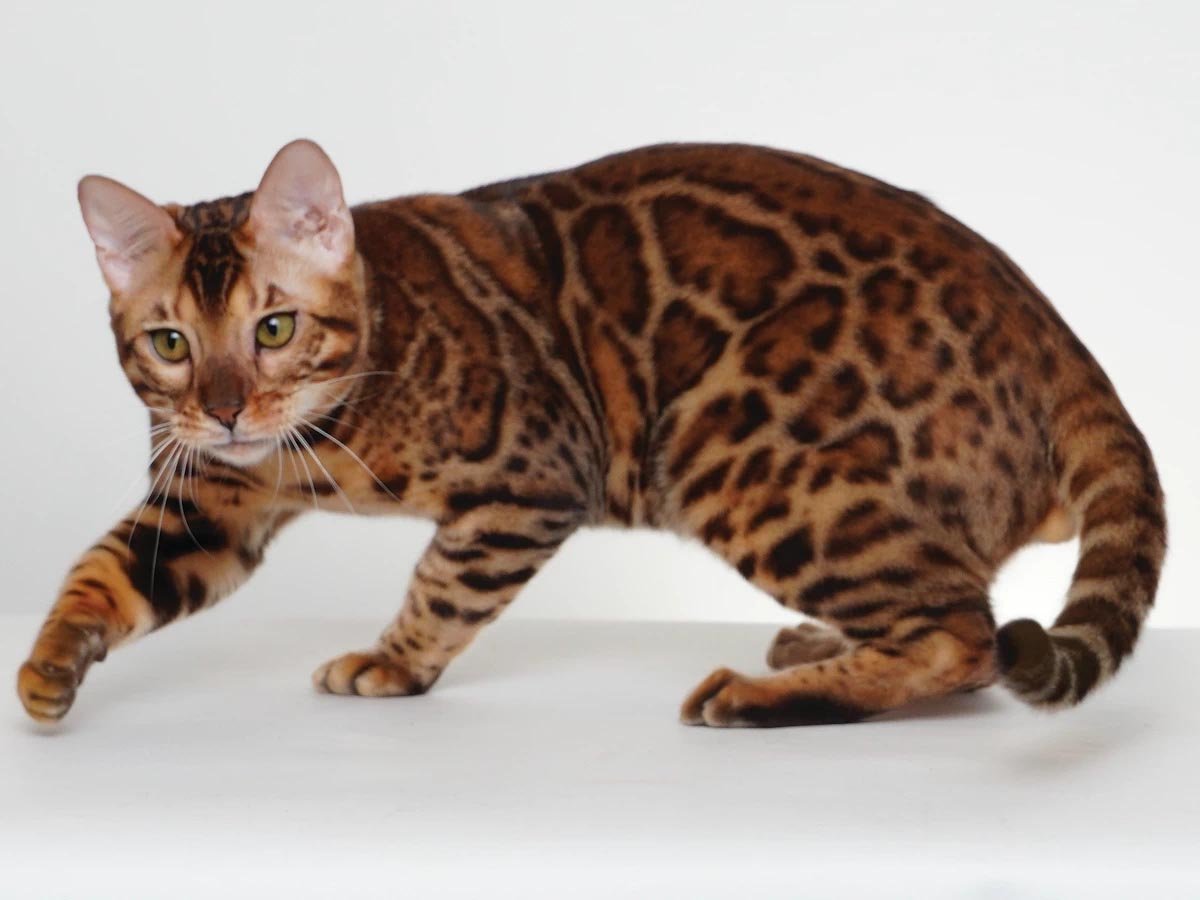
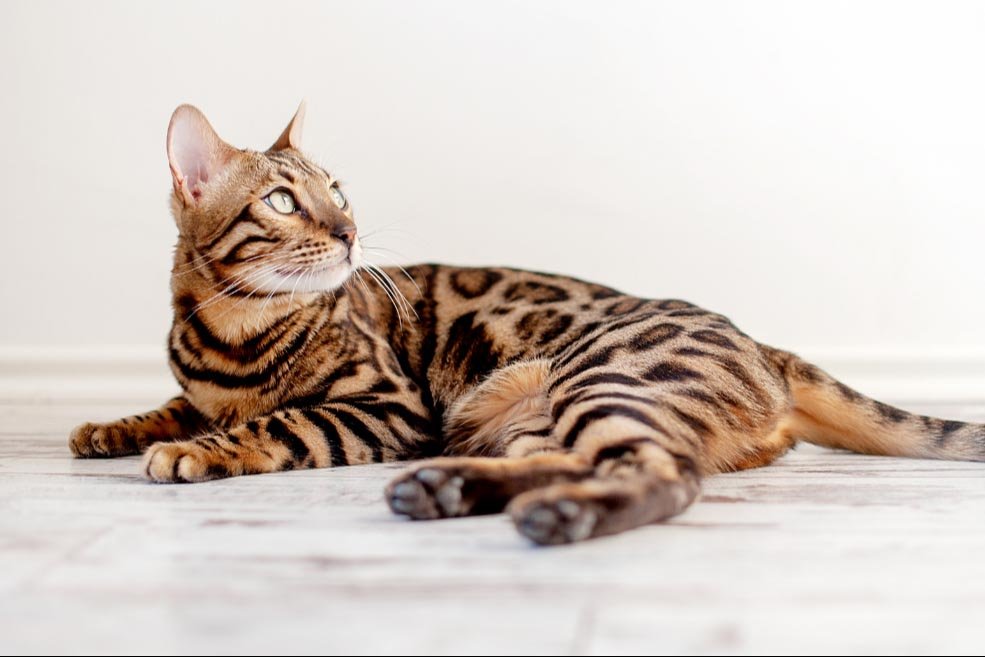
$1,500–$3,000Typical pet-quality kitten, USA, 2026
- Kittens go home at 12–16 weeks
- Ask for HCM, PK-def and PRA-b tests
- Verify catteries with TICA
- Rare colors cost more
Bengal cat cost at a glance
Three things drive most of the price: generation, quality and color. Here’s how the Bengal cat cost in the USA compares across the main options this year. Champion bloodlines and big-city catteries sit at the top of each range, while smaller home breeders in lower-cost states often sit near the bottom.

-
Rescue or adoptionOften already spayed or neutered and vaccinated
$75–$400
-
Pet-quality kitten (SBT)Sold with a spay or neuter contract
$1,500–$3,000
-
Show-quality kittenClosest to the breed standard
$3,000–$5,000+
-
Rare color kittenSilver, charcoal and blue
$2,000–$5,000
-
Early generation (F2–F3)More wild ancestry and energy
$2,500–$6,000
-
F1 BengalRarely sold as pets
$5,000–$10,000+
Bars use a $0 to $10,000+ scale.
Breeding rights cost extra, often $1,000 or more. If you can’t pick up your kitten in person, a flight nanny usually adds a few hundred dollars.
Estimate your Bengal cat cost
Choose a few options to see the kitten price, your first-year total and a lifetime budget. Every figure comes from the ranges in this guide.
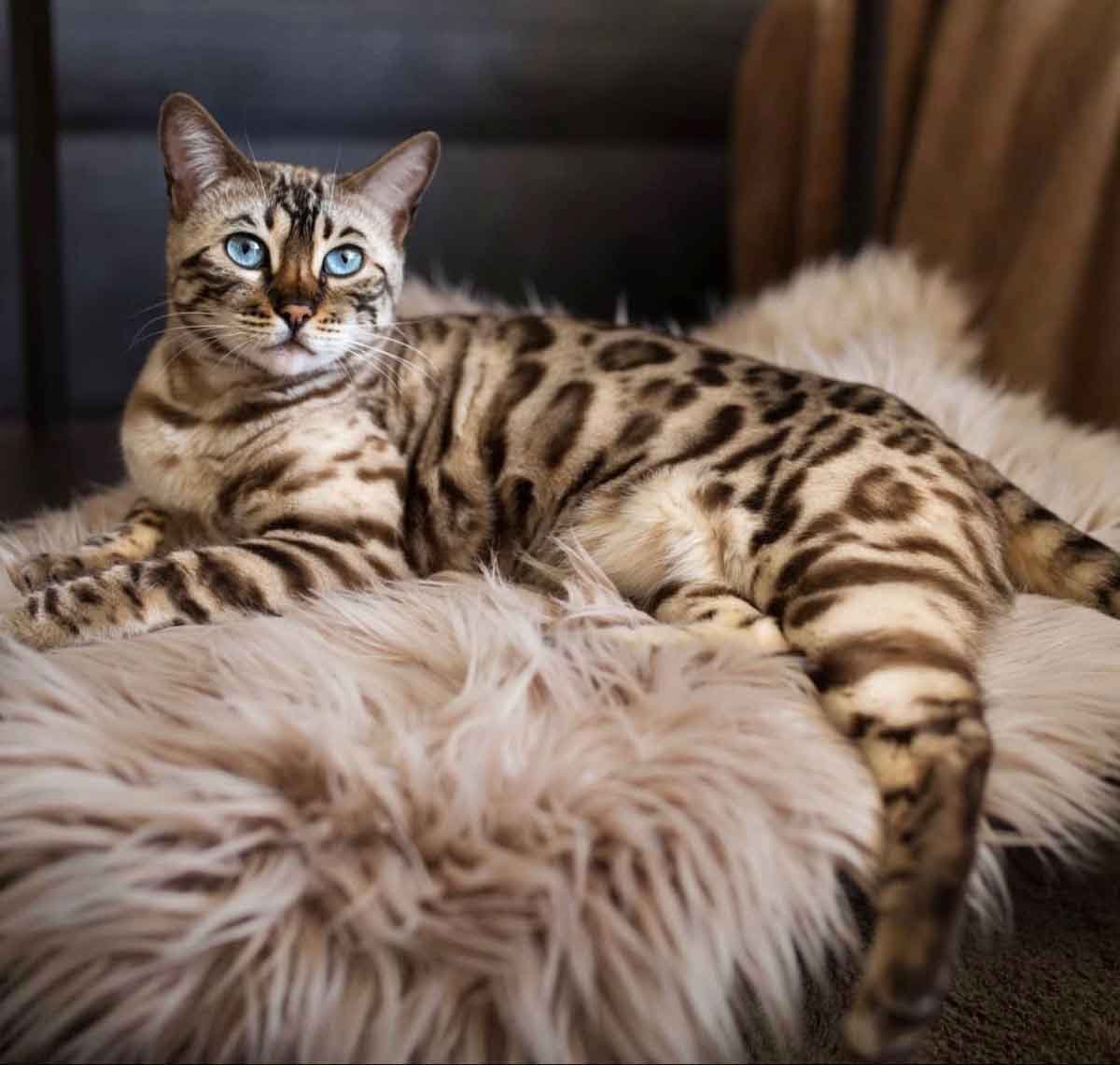
F1 Bengal cat price and the generations after it
Every Bengal traces back to the Asian leopard cat (Prionailurus bengalensis), the small wild cat that gave the breed its name. Breeder Jean Mill made the first deliberate cross in California in 1963, and TICA accepted the Bengal as a new breed in 1986. The closer a kitten is to that wild ancestor, the higher the Bengal cat cost and the bigger the commitment.
-
$5,000–$10,000+
F1 Bengal: one parent is an Asian leopard cat
About half wild. Rarely sold as pets and best left to experienced keepers.
-
$3,000–$6,000
F2: one grandparent is a leopard cat
Very high energy, with strong wild looks.
-
$2,500–$4,500
F3: one great-grandparent is a leopard cat
Calmer, but still more intense than most house cats.
-
$1,500–$5,000+
SBT: four or more generations of Bengal-to-Bengal breeding
The pet most families buy, and the generation TICA accepts in championship shows.
Check your local laws first: Hawaii bans Bengal cats, and some US states and cities restrict early generations.
Why are Bengal cats so expensive?
A $2,000 Bengal kitten isn’t a markup on an ordinary cat. Responsible breeders spend years and serious money before a single kitten goes home, and that investment is built into the price.

-
Years of careful breeding
Turning wild ancestry into a friendly, healthy line takes generations, and early-generation males are often infertile, which keeps breeding programs small.
-
Health screening
Good catteries scan breeding cats for HCM, a common feline heart disease, and DNA-test for PK-def and PRA-b before pairing them.
-
Papers and guarantees
TICA registration, pedigrees, written contracts and health guarantees cost money to provide, and they protect you.
-
Coat quality
Crisp rosettes, strong contrast and the golden glitter sheen are hard to produce. The best coats, and the rarest colors, sell for more.
-
Twelve weeks of care
Kittens stay with the breeder for at least 12 weeks of vaccines, deworming, vet checks and daily handling.
-
Demand beats supply
The Bengal is one of TICA’s most-registered breeds, so well-bred kittens are often reserved before they’re born.

Bengal kittens for sale $300: deal or red flag?
Search for Bengal kittens for sale $300 and you’ll find plenty of ads. A purebred kitten from a breeder at that price almost never adds up, because health testing alone costs more. Most cheap listings are scams that disappear after a deposit, untested backyard litters or Bengal mixes.
There are honest ways to pay about $300, though. Rescue groups often charge $75 to $400 for a Bengal that’s already vaccinated and spayed or neutered, and some breeders rehome retired adults at a reduced fee.
Read our full guide to $300 Bengal kittensRed flags
- Payment by gift card, wire transfer, crypto or “friends and family” apps
- No video call, no visit and no photos of the parents
- A cattery name you can’t verify with TICA
- Kittens offered before 12 weeks of age
- Pressure to pay a deposit today
Green flags
- A cattery you can look up with TICA
- Health test results for both parents
- A written contract and health guarantee
- Vet records, vaccines and a microchip
- A breeder who asks you questions too
Bengal colors and patterns that change the price
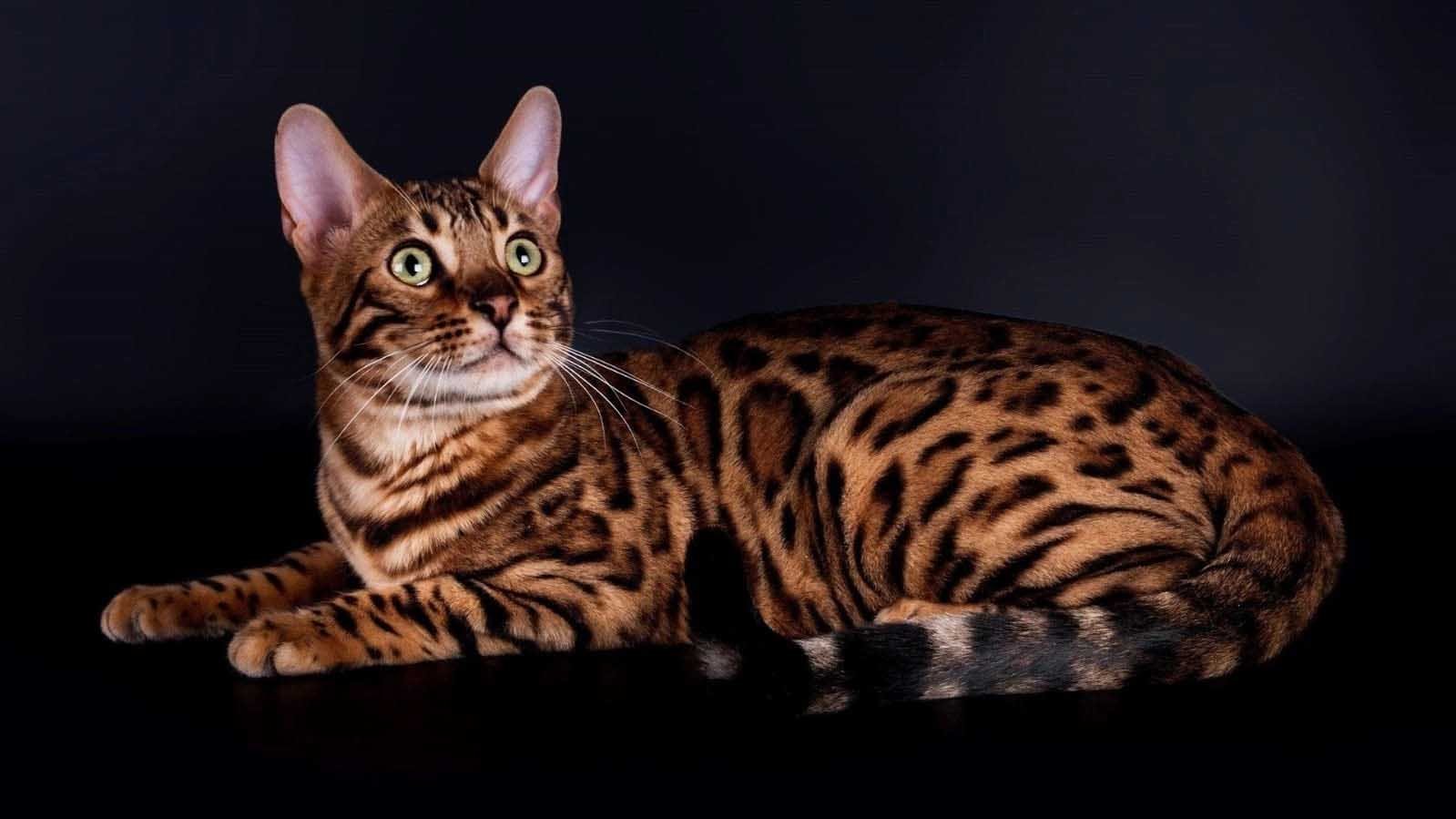
Bengals come in two patterns, spotted (with rosettes) and marbled, and in several colors. Brown is the classic and usually the baseline price. Rarer colors raise the Bengal cat cost because fewer breeders produce them.
Brown
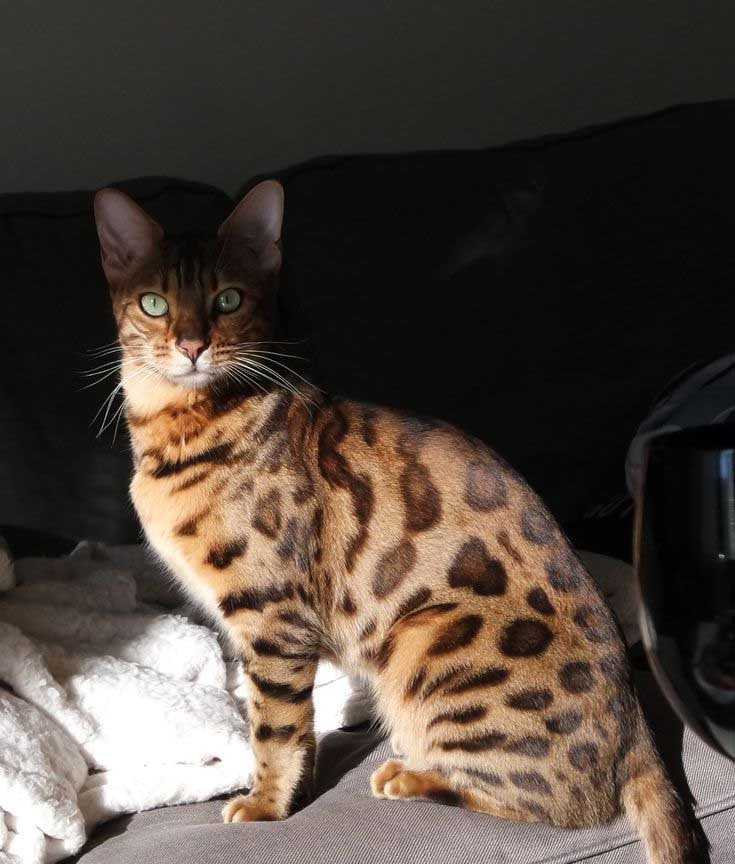
Gold to rust coat with black-brown rosettes.
Base priceSnow
Ivory coat with soft seal markings. Lynx points have blue eyes.
+$300 to $1,000Silver
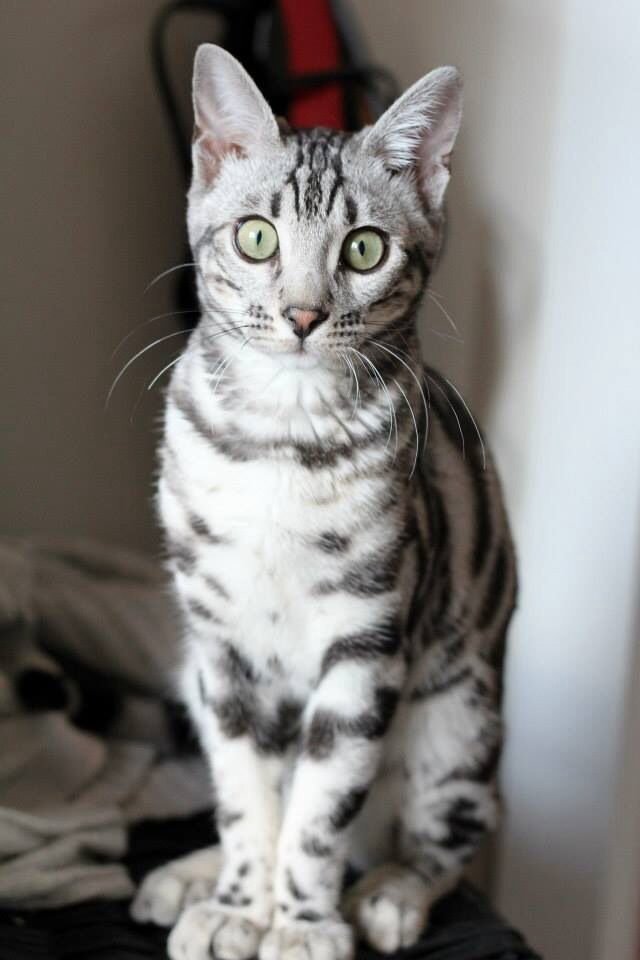
Silvery-white coat with crisp black markings.
+$500 to $1,500Charcoal
Smoky coat with a dark facial mask and cape.
+$500 to $1,500Blue
Powder-blue coat with warm cream undertones.
+$1,000 to $2,000
Blue Bengal cat: rare by design
A blue Bengal cat gets its soft steel-gray coat from a recessive dilute gene, so both parents must carry it. Few catteries focus on blue, which is why a pet-quality blue Bengal often costs $2,500 to $5,000. If a seller offers a cheap blue kitten, ask to see the parents and their registration.
Typical blue Bengal price: $2,500–$5,000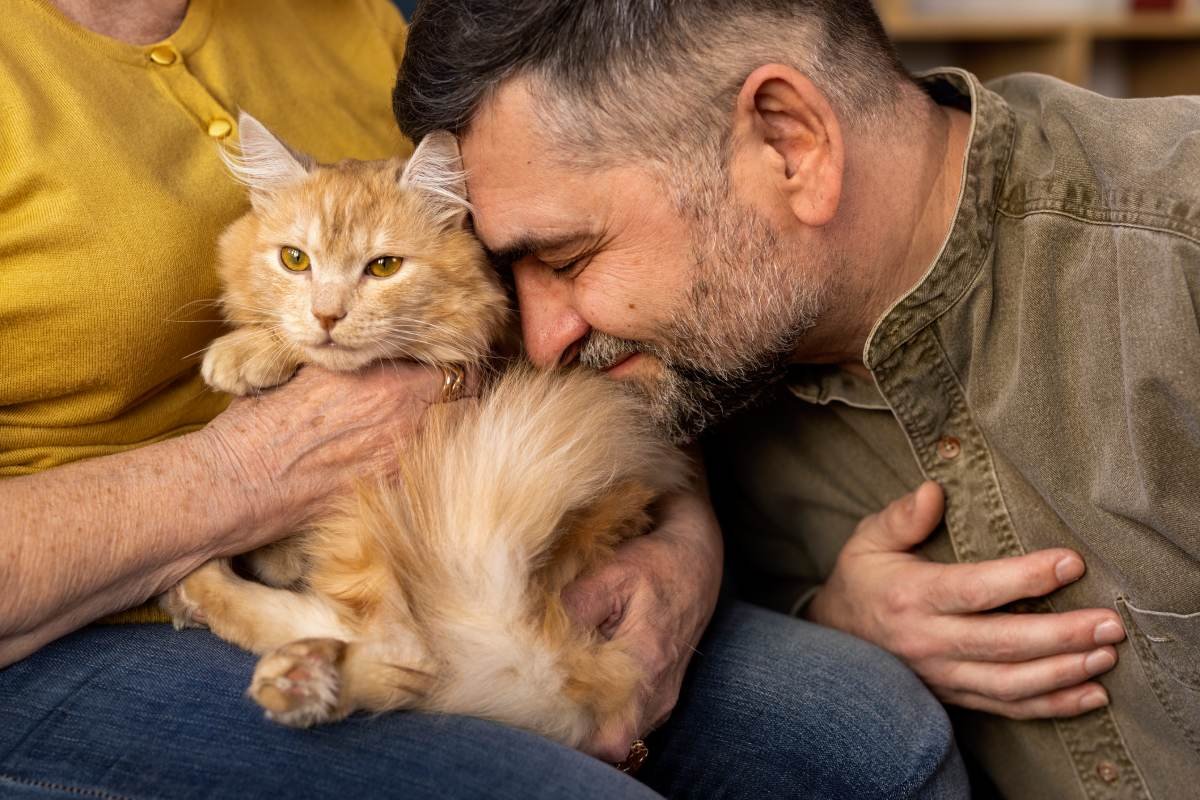
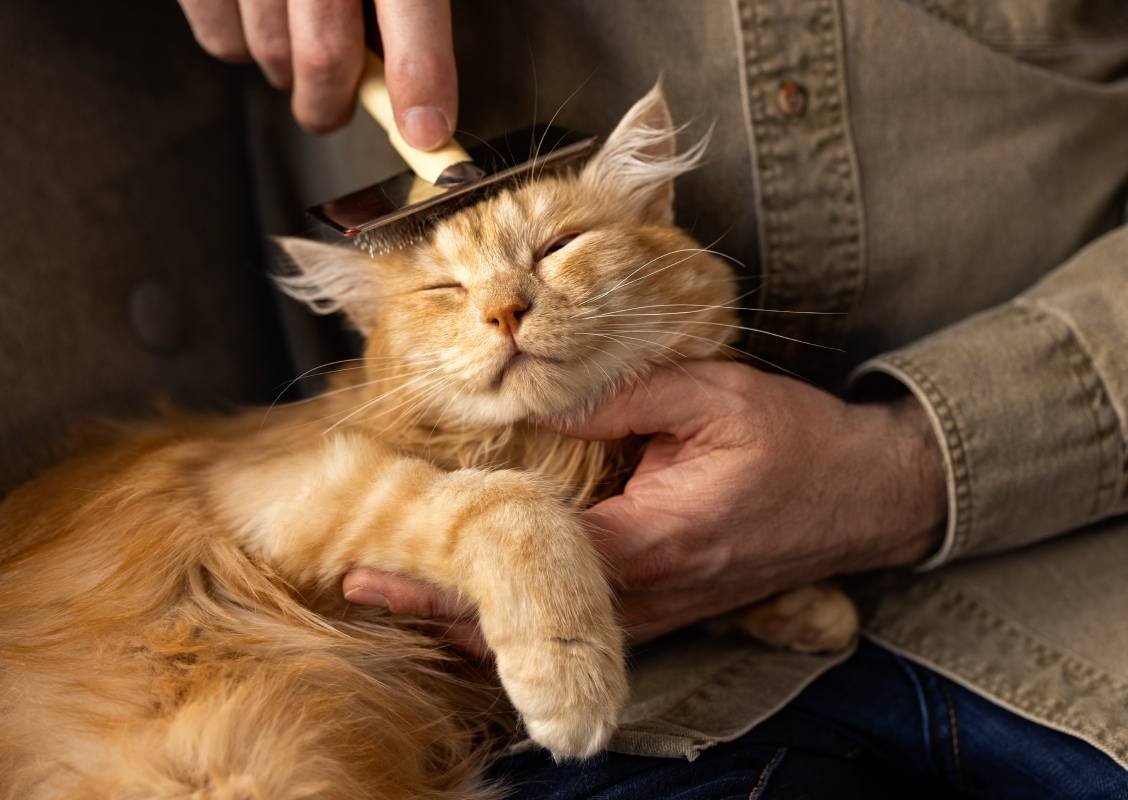
Bengal cat personality: wild looks, loyal heart
The Bengal cat personality is closer to a playful dog than a lap ornament. Bengals are athletic, curious and smart enough to learn fetch, simple tricks and walking on a harness. Many love water, and plenty earn a cat-burglar reputation for stealing shiny things.
Given daily play, they bond deeply with their people, including kids who play gently, cat-friendly dogs and active retirees who enjoy a lively companion.
- Energy
- Intelligence
- Playfulness
- Affection
- Talkativeness
- Happy alone
A great match if you
- Enjoy playing with your cat every day
- Have room for tall cat trees and shelves
- Want a cat that follows you from room to room
Think twice if you
- Are away 10 or more hours most days
- Prefer a quiet, hands-off pet
- Can’t cat-proof shelves, cords and plants
Bengal cat size and lifespan
Bengal cat size
Bengals are medium to large cats with long, muscular bodies. Their hind legs are slightly longer than their front legs, which gives them that prowling walk. Most reach full size at around 18 months to 2 years.
- Males
- 10–15 lb
- 4.5–6.8 kg
- Females
- 8–12 lb
- 3.6–5.4 kg
Bengal cat lifespan
A healthy Bengal usually lives 12 to 16 years. Indoor life, a high-protein diet, a lean weight and yearly vet checks help them reach the upper end. Because HCM, PK-def and PRA-b occur in the breed, always ask for the parents’ test results.

- 12–16 weeksGoes home vaccinated and vet-checked
- First yearFast growth and peak kitten energy
- 18–24 monthsReaches full adult size
- 12–16 yearsTypical lifespan with good care
The real cost of owning a Bengal cat
The kitten price is only the start. Map out the first year before you commit, especially if your breeder doesn’t include spay or neuter surgery and a microchip.
| Expense | Typical cost |
|---|---|
| High-protein food ($40–$80 a month) | $480–$960 |
| Litter | $150–$300 |
| Vet exam and booster vaccines | $150–$300 |
| Spay or neuter and microchip, if not included | $225–$575 |
| Cat tree, carrier, litter box and scratchers | $200–$500 |
| Toys and enrichment | $100–$200 |
| Pet insurance ($20–$50 a month) | $240–$600 |
| First-year total | $1,545–$3,435 |
After year one, plan on roughly $1,000 to $2,200 a year. Over a 12 to 16 year life, the lifetime Bengal cat cost, kitten included, can run from about $14,000 to well over $30,000.
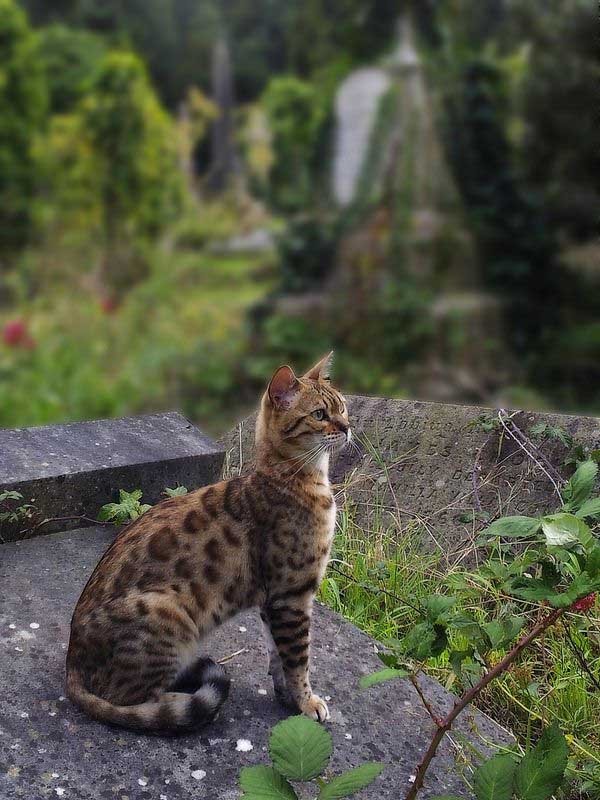
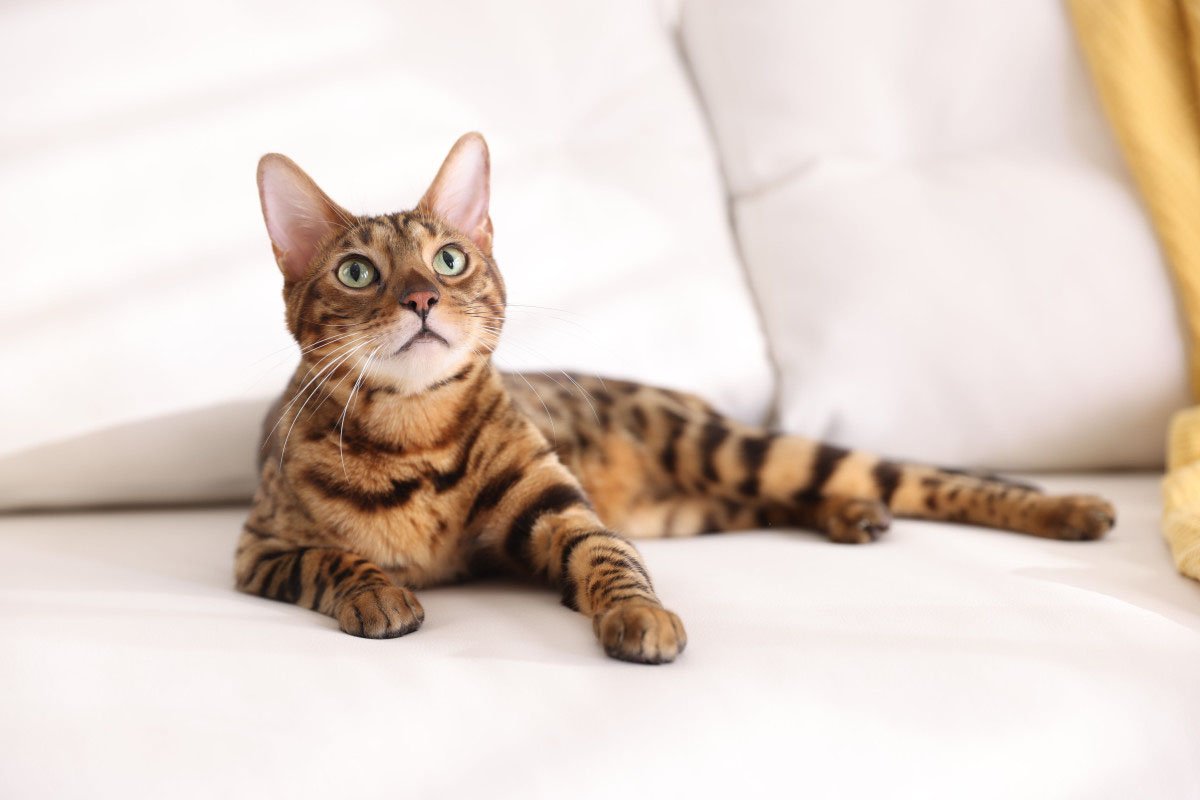
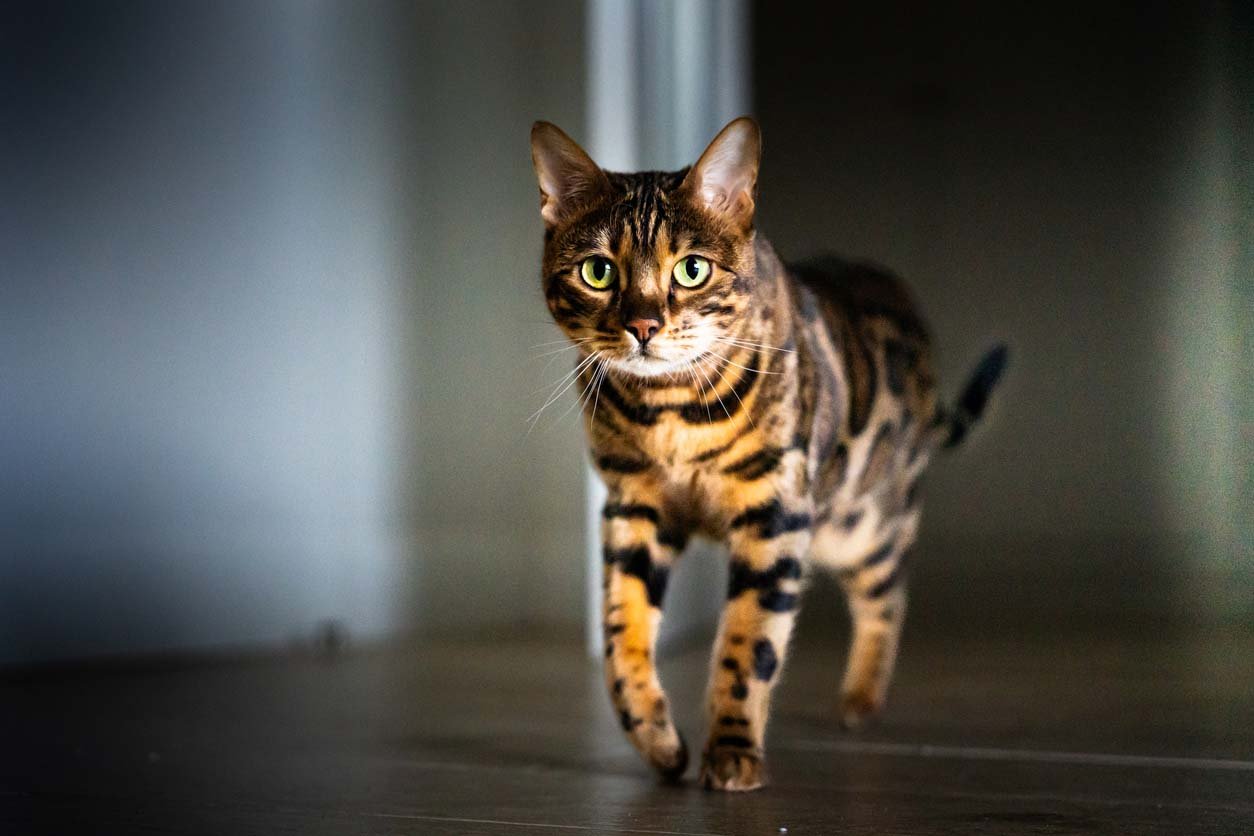
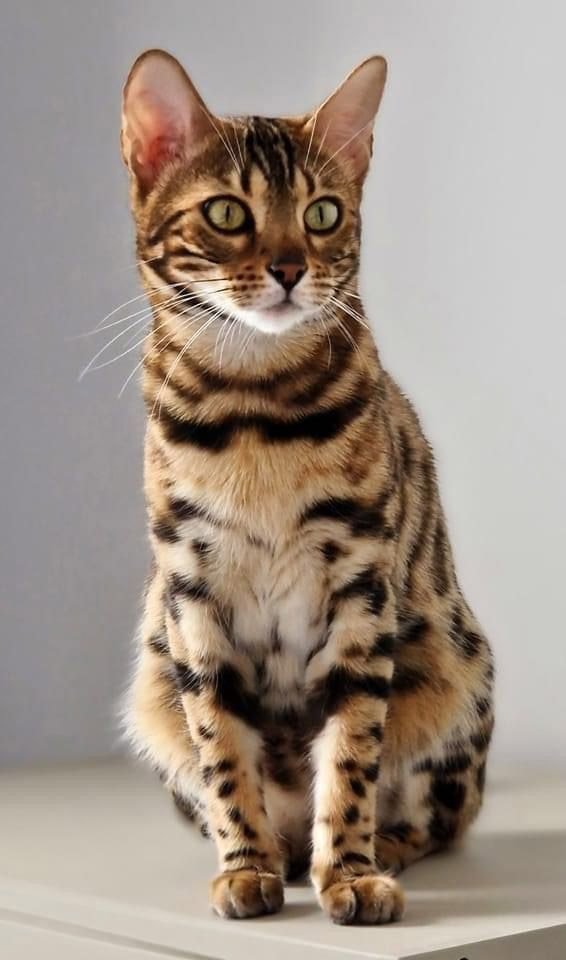
Bengal cats in their element
Rosettes, marbling and that famous Bengal stare.
How to buy a Bengal kitten safely
Five steps that protect your money and your future cat.

Set your budget
Plan for the kitten and the first year, not just the deposit.
Shortlist real catteries
Check TICA registration, reviews and how long they’ve bred Bengals.
Meet the kittens
Visit or video-call, see the parents and watch how the kittens behave.
Get it in writing
Collect health tests, vet records, the contract and the health guarantee.
Bring your kitten home
Pick up at 12 weeks or older, with a cat tree and toys ready on day one.
Bengal cat cost FAQs
Quick answers to the questions buyers ask most about Bengal prices.
How much does a Bengal cat cost in 2026?
Most pet-quality Bengal kittens from reputable US breeders cost $1,500 to $3,000. Show-quality kittens cost $3,000 to $5,000 or more, early generations cost $2,500 to $10,000+, and rescue adoption fees run about $75 to $400.
Why are Bengal cats so expensive?
Breeders pay for health screening, TICA registration, vet care and weeks of socialization, and great coats take years of selective breeding. Steady demand for a limited number of well-bred kittens keeps prices high.
Are Bengal kittens for sale for $300 real?
Rarely, when the seller claims to be a breeder. At that price, expect a scam, an untested backyard litter or a mix. A genuine Bengal near $300 usually comes from a rescue or a rehoming.
What is the F1 Bengal cat price?
F1 Bengals, which have an Asian leopard cat parent, typically cost $5,000 to $10,000 or more. They’re rarely sold as pets, need experienced owners and may be restricted where you live.
How much does a blue Bengal cat cost?
A pet-quality blue Bengal cat often costs $2,500 to $5,000. The blue color is recessive, so both parents must carry it, and few breeders produce it.
How big do Bengal cats get?
Males usually weigh 10 to 15 pounds and females 8 to 12 pounds. Most Bengals reach adult size between 18 months and 2 years.
What is the Bengal cat lifespan?
Bengals typically live 12 to 16 years. Indoor living, a high-protein diet, a healthy weight and regular vet care help them stay well for longer.
Are Bengal cats good family pets?
Yes, for active families. Bengals are affectionate, playful and trainable, but they need daily play and company, so they’re a poor fit for homes where they’d be alone most of the day.
Have a question about a Bengal price?
Ask us about a breeder, a listing or a price that looks too good to be true, or keep reading our latest Bengal guides.